

The study of architecture revolves around design. Everything we are taught is either linked to, driven by, or associated with design and rightly so, because architecture!!
But does being an architect only mean designing? That’s the part schools failed to teach us.
We spent five years believing we would step into the world sketching, drawing, and being those “creative people in the room” whose vision shaped everything. The truth couldn’t have been farther from it. When I entered professional practice as a young graduate, I realized design was important, but it was only one small component of something much bigger. Everything else that makes design possible — coordination, execution, communication, construction — was equally, if not more, important.
Falling Into Project Management
By sheer luck, I joined a project management firm – Arif Shah Private Limited right out of school. At the time, I didn’t realize what that meant, but my classmates did. They told me I was at the best firm I could be at, given my knack for management and organization. Back then, I brushed it off — but over time, I began to see what they saw.
Table of Contents
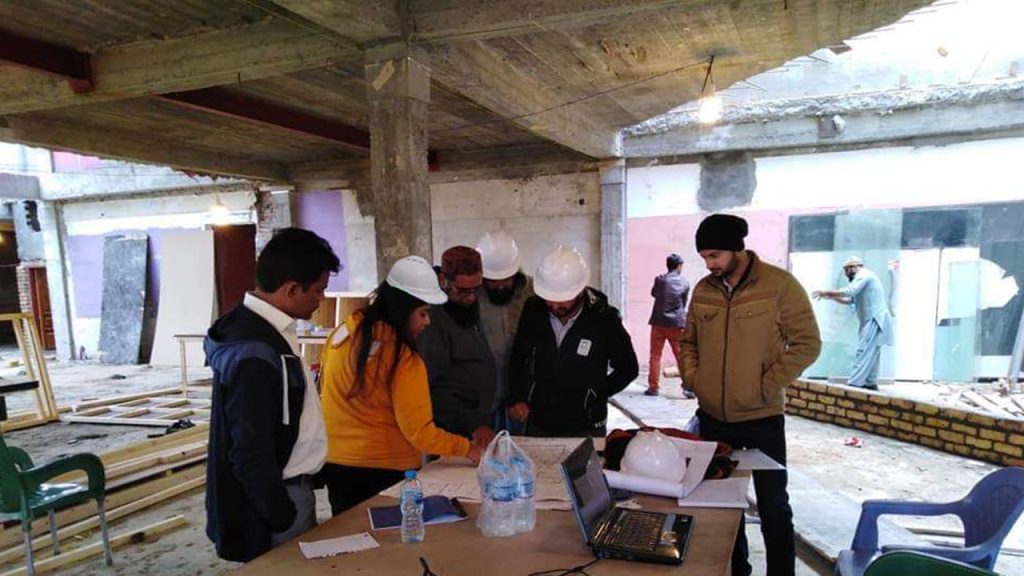
ToggleI was quickly exposed to sides of architecture I had never taught about in school: design coordination, detailed drawings, construction packages, tendering, and execution. Suddenly, architecture wasn’t just “making pretty buildings.” It was systems, structures, and processes. It was the art of turning vision into reality.
And I was hooked.
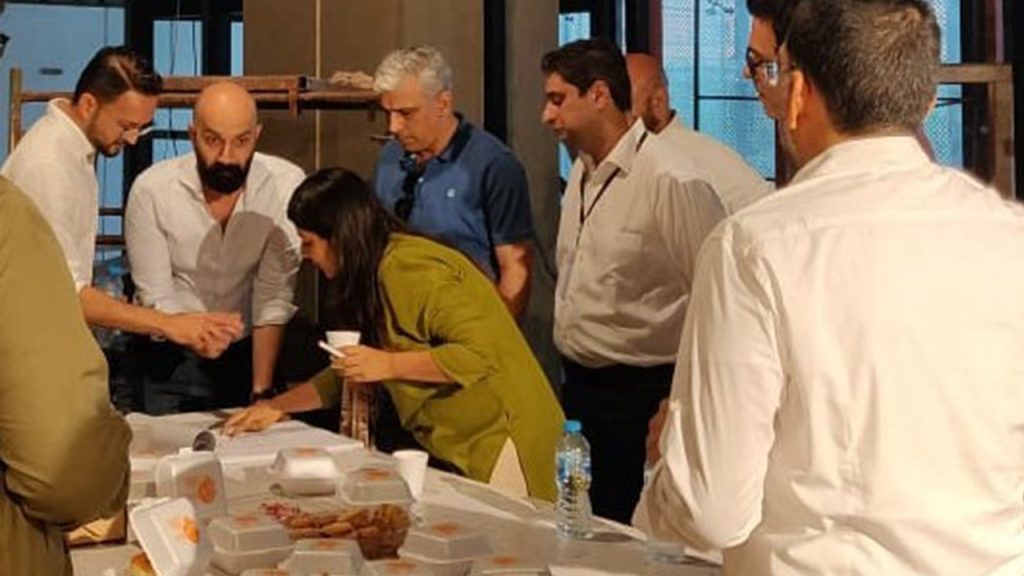
Project after project pulled me in deeper. Schools, corporate offices, institutional buildings, even one of the best hospitals in Karachi – From The Aga Khan University Hospital, Doing 40+ Retail outlets for Khaadi, Microsoft – Nokia Integration, McKinsey’s Head Office, to Standard Chartered Bank’s Head Office and many more such prestigious projects. Each project came with a new challenge and new learning. Every building taught me something fresh about the true scope of architecture.

Mastering the Craft of Management
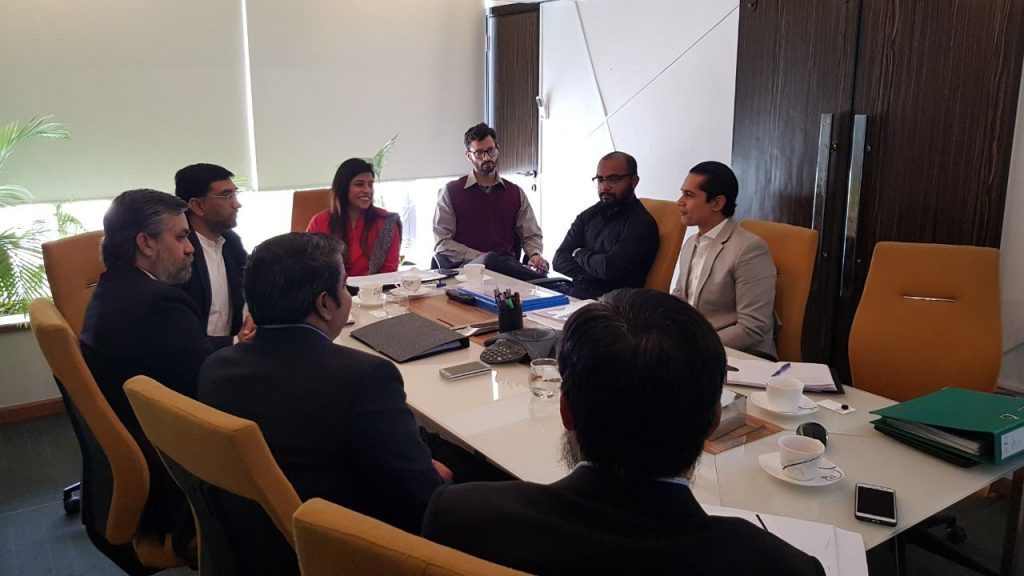
Over time, I realized I wasn’t just practicing project management — I was mastering it. I began conducting workshops, co-teaching with my mentor – Syed Arif Shah, and eventually, I taught project management in various architectural schools across Pakistan.
I wanted young architects to see what I had seen: that architecture is not just design, but a web of processes, stakeholders, and systems that bring design to life.
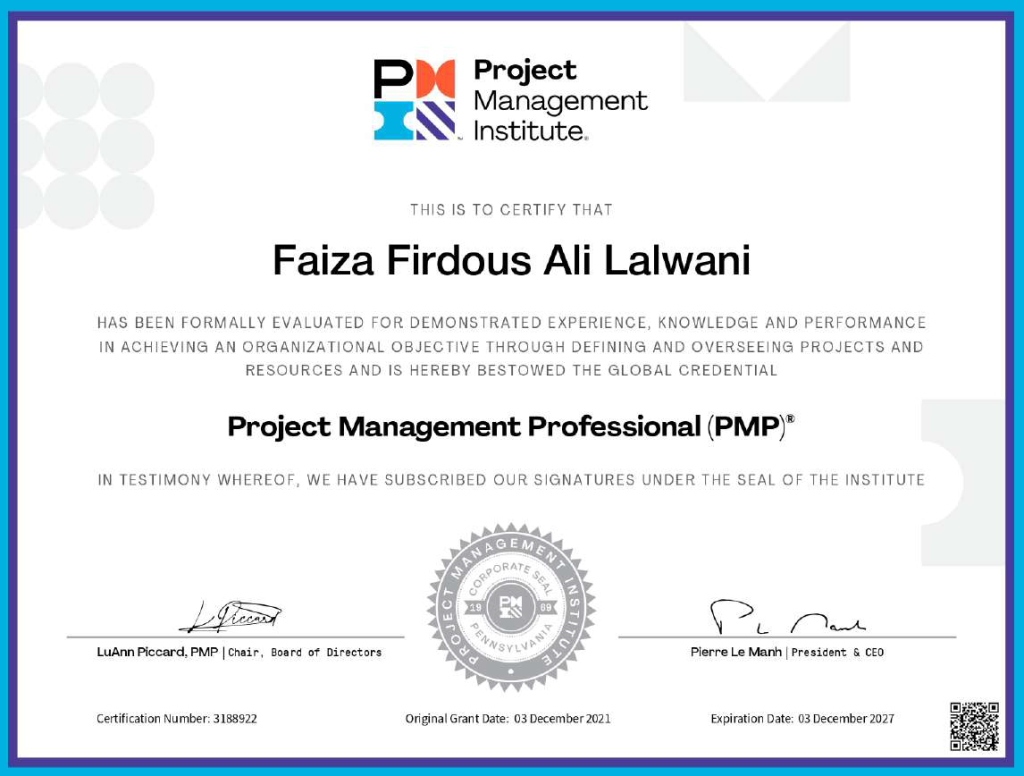
To strengthen my skills, I pursued the PMP (Project Management Professional) certification — the highest global recognition in project management. That experience gave me structure, discipline, and an even deeper appreciation for the science that underpins architecture’s art.
What Project Management taught me
Architecture schools teach us to dream, conceptualize, and design. But what they often leave out is the framework needed to turn those ideas into reality. This is where project management training becomes transformative for architects.
Understanding the Bigger Picture
Training in project management teaches you to see beyond the drawing board. You begin to understand timelines, costs, approvals, contracts, and the many stakeholders involved. This awareness allows you to design more intelligently; balancing creativity with feasibility.
Mastering Time, Scope, and Budget
Buildings arent magic they are based on real factors; Project management revolves around the “triple constraint” : time, scope, and budget. Learning how to balance these three factors ensures your designs are not only visionary but also realistic and achievable. There is another quotient to this triangle and that is “Quality” which invariably is the result of handling the above three. Â
Risk Management
Every project carries uncertainty — delays, cost overruns, technical challenges, or shifting client needs. Project management trains you forecast them, to anticipate risks early, plan for them, and minimize their impact. This foresight helps create a better architecture.Â
Procurement Management for Design Details
Architecture is a composite entity, it is created by a million smaller components; with building materials advancing almost every week, it is essential for a designer to understand realities of how materials are sourced, delivered, and installed. Procurement management grounds you in these realities. It teaches you how the smallest detail on paper — a finish, a fixture, a joinery line — depends on supply chains, long-lead items – that often derails a project, vendor contracts, and budgets. I have seen enough projects brutaly miss deadlines This awareness sharpens your design decisions and prevents the costly gap between “what we draw” and “what can actually be built.”
Integration Management: Making It All Work Together
Changes at a construction site is inevitable; what we fail to understand is impact of a change and its ripple effect to all allied engineering. More often than not changes are dealt in isolation, whereas Integration management teaches you how to align structural, MEP, and finishing works with your design decisions. It helps you understand that every sketch or adjustment must integrate seamlessly with engineering, procurement, and construction — or else risk delays and rework.


As I pivot back to focus on designing — working on larger architectural projects, pursuing my dream of public buildings, and running projects in my own firm – Studio Hast.
I’m certain I would never have been this prepared for design if it weren’t for my 13 years where nearly 70% of my work was project management and 30% design. Those years gave me insight into what it really takes to make architecture work.
Architecture cannot exist as pure creativity. It exists only when creativity is measured against time, scope, and budget. It may sound controversial, but I believe it strongly: an architect is not an artist. An architect is something more — someone who designs, yes, but also constructs, manages, and balances. Architecture is the fusion of creativity and engineering, art and science.
And if you’ve trained in management, you’ll always be a better architect.
Follow us on your favorite platform





Pingback:80% Project Management, 20% Design: What It Really Means to Be an Architect